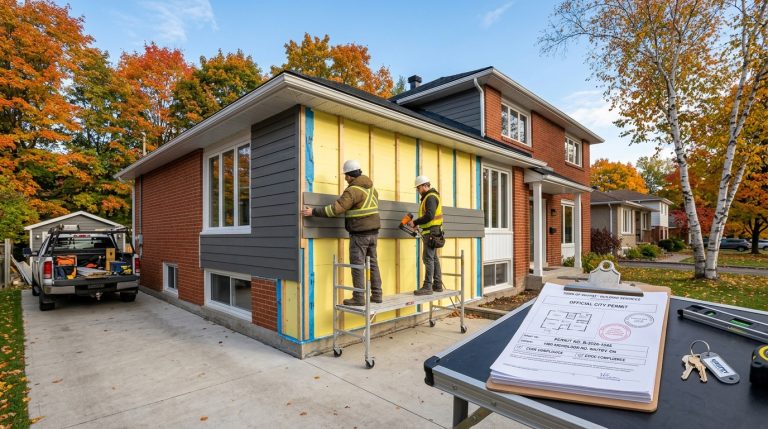
Your Ottawa home’s looks and performance depend a lot on the siding materials you choose, especially given the area’s tough climate. A complete vinyl siding installation works great in cold weather. It stays flexible even when temperatures drop below zero. Fiber cement siding is a larger investment but can last 30-50 years, while vinyl typically lasts 20-40 years. Wood siding looks amazing but needs extra care to handle Ottawa’s humid summers and snowy winters.
Homeowners need to consider several key points when choosing between fiber cement and vinyl siding. Fiber cement’s benefits include great freeze-thaw resistance, fire protection, and James Hardie’s 30-year non-prorated limited substrate warranty. But you’ll need to repaint it every 10 to 15 years, and its weight makes installation more expensive. Ottawa’s residents often pick vinyl siding because it keeps moisture out and comes with insulated options that can help cut winter heating costs. It’s also easier to put up than fiber cement, which needs special installers. This piece gets into how each material holds up in Ottawa’s climate, so you can pick what works best for your home and budget.
Understanding the Key Differences Between Siding Materials
Siding materials differ in more ways than just looks and cost. Your choice of best siding materials for your Ottawa home depends on what they’re made of, how well they handle tough weather, and their ability to resist fire and pests. Each type of siding – fiber cement, vinyl, and wood – works differently in Ottawa’s harsh climate where temperatures swing from -30°C to +30°C year-round.
Material composition and structure
Vinyl siding is made from polyvinyl chloride (PVC), a plastic resin that creates a light and flexible outer layer. This synthetic material needs minimal support, which makes installation easier than heavier options. Fiber cement combines Portland cement, sand, and cellulose fibers to create an incredibly strong product. This mix helps fiber cement last longer and look like wood without its weaknesses.
Cedar is a popular choice for traditional wood siding because its natural oils help fight decay.
Durability and weather resistance
Ottawa’s weather needs siding that can handle freezing, thawing, heavy rain, and wild temperature swings. Engineers designed fiber cement siding to stand up to all kinds of weather – from UV rays to snowstorms and temperature changes. It stays stable even when wet, unlike wood that soaks up water and rots over time.
The weather affects vinyl differently each season. Vinyl can distort under intense or reflected heat and becomes more impact-sensitive in deep cold. This makes material choice crucial for Ottawa’s unpredictable climate.
Wood siding needs regular care to prevent moisture damage during Ottawa’s humid summers. Wood that isn’t properly sealed absorbs moisture and leads to expansion, contraction, and structural problems.
Fire and pest resistance
Each siding material handles fire differently. Fiber cement gets top marks with a Class A fire rating. It is non-combustible, so it won’t burn.
Vinyl has problems with fire – it melts and can release toxic gasses. Wood catches fire easily and can make fires worse, though fire-retardant treatments help improve its resistance.
Pests stay away from fiber cement because it gives them nothing to eat. Vinyl doesn’t attract bugs either, but cracks can form over time and let pests in. Wood that hasn’t been treated remains a favorite target for wood-boring insects and birds.
Vinyl Siding: Pros, Cons, and Suitability for Ottawa Homes
Vinyl siding leads Ottawa’s exterior cladding choices. Homeowners love it because it balances budget-friendly options with lasting durability and great cold-weather performance. The material combines polyvinyl chloride (PVC) resin with additives that give it color, opacity, and strength against impacts. This budget-friendly protection needs little upkeep. Yet vinyl does have its limits in extreme weather and doesn’t carry the same status as premium materials. Ottawa homeowners who want to pick the best siding materials for their homes should learn about vinyl’s complete performance to decide if it fits their needs.
Advantages of vinyl siding in cold climates
Vinyl siding works great through Ottawa’s cold winters. The material’s water resistance makes it stand out. This plastic-based product keeps water out and protects homes from snow and ice storms. Better yet, insulated vinyl siding helps keep heat inside by reducing loss and limiting thermal bridging. Homes stay cozy and energy bills often drop during harsh Ottawa winters.
Common issues in extreme temperatures
Ottawa’s climate extremes can challenge vinyl siding. Water trapped in the material expands by almost 10% during freeze/thaw cycles. Cold temperatures make vinyl brittle, which leads to cracks from installation or impacts. Summer heat can warp, melt, or fade the material. The siding becomes more fragile after 25-30 years, and homeowners need repairs or replacements more often.
Cost and maintenance overview
Vinyl siding is the most affordable major siding option. The investment depends on your home’s size, the profile and gauge you choose, and whether any repairs are needed. NorthCo prices each project after a free in-home consultation. Upkeep is simple – a quick rinse with a garden hose keeps vinyl looking fresh. This easy maintenance helps busy Ottawa homeowners deal with the changing climate.
Vinyl siding Ottawa: local availability and trends
Vinyl siding rules Ottawa’s market. Local suppliers stock many colors, and darker, richer shades are now accessible to more people. Homeowners looking to save on energy bills often choose insulated vinyl siding. People love vinyl because it’s affordable, comes in many styles, and handles Ottawa’s tough weather conditions well.

Fiber Cement Siding: Strengths, Weaknesses, and Local Fit
Fiber cement siding stands out as a premium exterior wrap option for Ottawa homeowners who want exceptional durability in harsh weather. This material combines cement, sand, and cellulose fibers to create panels that can handle Ottawa’s extreme conditions. Let’s get into fiber cement’s strengths and weaknesses, how it handles freeze-thaw cycles, what it takes to install it, and whether its value makes the higher upfront cost worth it for your home.
Fiber cement siding pros and cons
The biggest advantage of fiber cement is its amazing durability, it can last 30 to 50 years when you take care of it properly. It’s non-combustible, with a Class A rating, unlike vinyl siding that melts in intense heat. Bugs can’t touch it either, termites and carpenter ants stay away. It also has excellent dimensional stability in harsh seasons.
The downsides? It costs substantially more than vinyl siding. It’s also really heavy , about 150 pounds for every 50 square feet, which makes installation tricky. The panels can crack if something hits them hard enough, and you’ll need to replace them when that happens.
Performance in freeze-thaw cycles
Ottawa’s weather creates special challenges with its frequent freeze-thaw cycles. Fiber cement is built for Ottawa’s freeze-thaw. What matters is keeping water from getting trapped behind it: a rainscreen gap lets moisture drain and dry out, reducing rot, blistering paint and premature siding failure.
James Hardie, who leads the market, has figured out ways to deal with these issues. Their HardieZone system is built specifically for northern climates and offers better protection against freezing temperatures and heavy snow.
Installation complexity and cost
You’ll need pros to install fiber cement siding. They use special tools like circular saws with dust collectors, pneumatic nailers, and power shears. The installation creates dangerous silica dust, so proper safety gear is a must.
The investment depends on your home’s size, the materials you choose, and whether any repairs, like rot under the old siding, are needed. NorthCo prices each project after a free in-home consultation.
Fiber cement siding Ottawa: is it worth the investment?
For Ottawa homeowners, new siding boosts curb appeal and can offer a strong return on investment, especially with premium materials like fiber cement. This premium material is easy to maintain – rinse it with a garden hose once a year, and plan on a repaint every 10 to 15 years, or just touch-ups with a factory ColorPlus finish.
James Hardie products are accessible to more people in Ottawa and come with a 30-year non-prorated limited substrate warranty. Ottawa’s tough climate makes fiber cement’s resistance to moisture, fire, and pests a smart choice for homeowners who plan to stay put for a while. The higher upfront costs balance out nicely against lower maintenance costs and longer lifespan.

Wood Siding: Esthetic Appeal vs. Practical Challenges
Wood siding gives Ottawa homes unmatched beauty among exterior siding options, but comes with its own set of challenges in the harsh local climate. The wood helps the environment, but you’ll need regular upkeep to handle Ottawa’s freeze-thaw cycles. Your siding’s life depends on the type of wood and how well you maintain it. Well-maintained wood siding can last 20 to 40 years. Before choosing wood siding, homeowners should weigh its beautiful look against the needed maintenance and weather resistance.
Wood siding Ottawa: where it fits best
Wood siding looks amazing on heritage homes and buildings where traditional looks matter most. Ottawa homeowners who want real wood often pick cedar or pine for a natural beauty that man-made materials just can’t match, though most wood-look installs in Ottawa are engineered wood. The wood also lets you paint or stain it any color you want, which works great with Ottawa’s many architectural styles. Your wood siding will last longer if it’s protected by good overhangs that keep excess moisture away.
Maintenance needs in humid and snowy conditions
Ottawa’s weather means you’ll need to stay on top of wood siding maintenance. Right from the start, you should check for moisture damage after rain or when snow melts. Fall is the time to look for peeling paint and fix any damage before winter hits. You’ll need to paint or stain every 3-5 years, though thermally modified wood can go up to 10 years between treatments. Don’t forget to caulk and seal cracks – this stops moisture from getting in and causing rot.
Longevity and insulation benefits
Different types of wood last different lengths of time. Wood siding can last 20 to 40 years, but only with consistent maintenance like sealing or painting. Like any standard siding, wood adds little insulation on its own: insulated siding or rigid insulation installed under new siding is what adds R-value.
Environmental impact and sustainability
Wood is the greenest siding choice when it comes from responsible sources. It grows back naturally, breaks down in nature, and needs less energy to produce than concrete or steel. These days, tree planters put in at least three new Western Red Cedars for each one cut down. Making wood siding also creates fewer greenhouse gasses than other materials. If you want to be eco-friendly, look for FSC-certified wood – it means the forests are managed responsibly.
Vinyl vs. Fiber Cement vs. Wood: Quick Comparison
| Feature | Vinyl Siding | Fiber Cement Siding | Wood Siding |
| Lifespan | 20–40 years | 30–50 years | 20–40 years |
| Cold Weather Performance | Flexible in cold | Excellent freeze-thaw resistance | Prone to moisture damage |
| Fire Resistance | Low | High (Class A) | Low, unless treated |
| Maintenance | Low | Moderate | High |
| Aesthetic Appeal | Moderate | High | Highest |
| Pest Resistance | Moderate | High | Low, unless treated |
Conclusion
Ottawa homeowners must balance looks, durability, and budget when picking siding materials. This piece looks at how vinyl, fiber cement, and wood siding hold up under Ottawa’s tough weather conditions.
Vinyl siding stands out as the most economical solution. It resists moisture well and needs little upkeep. Yet its performance during extreme temperatures raises some concerns about long-term use. Fiber cement proves to be the toughest option. It handles Ottawa’s freeze-thaw cycles well and offers better fire protection and pest resistance. The price tag runs substantially higher though. Wood siding needs careful maintenance but brings unmatched beauty that synthetic options can’t match.
Your best choice comes down to what matters most to you. Budget-focused homeowners often pick vinyl for its affordability and easy care. Fiber cement makes sense for those who want lasting durability and minimal maintenance, even with its higher original cost. On top of that, wood siding might be worth the extra care for those who value environmental impact and classic looks.
Smart homeowners take time to assess their situation carefully. The property’s location, current architectural style, budget limits, and dedication to regular maintenance all shape the ideal choice. Local siding contractors like NorthCo Services who know Ottawa’s climate challenges can explain how each material performs over time in ground conditions.
There’s no perfect siding material out there. Understanding each option’s strengths and limits helps Ottawa homeowners make smart choices that work now and later. Whatever you choose, proper installation is vital to get the most life and performance from your siding in Ottawa’s tough climate.
Contact us at 613-783-1446 for more information or Get FREE estimate!
FAQs
- What is the most suitable siding material for Ottawa’s climate?
The best siding material for Ottawa depends on individual priorities. Vinyl is cost-effective and low-maintenance, fiber cement offers superior durability and longevity, while wood provides unmatched esthetic appeal. Each material has its strengths in withstanding Ottawa’s harsh weather conditions. - How does fiber cement siding compare to vinyl in terms of durability?
Fiber cement siding can last 30-50 years with proper maintenance, offering superior resistance to weather, fire, and pests. Vinyl siding has a shorter lifespan of 20-40 years but is more affordable and requires less maintenance. - What are the maintenance requirements for wood siding in Ottawa?
Wood siding in Ottawa requires regular inspections for moisture damage, especially after rainfall or snow melt. It needs a fresh coat of stain every 3-5 years for semi-transparent stains or 5-7 years for solid stains, and consistent caulking and sealing to prevent water infiltration. Proper maintenance is crucial to protect wood siding from Ottawa’s humid summers and snowy winters. - How energy-efficient is vinyl siding for Ottawa homes?
Standard vinyl siding adds little insulation on its own, but insulated (foam-backed) vinyl does add R-value. It helps reduce heat loss and minimizes thermal bridging, potentially lowering energy costs during harsh winters. - What is the environmental impact of different siding materials?
Wood siding is the most environmentally friendly option when responsibly sourced, as it’s renewable and biodegradable. It also requires less energy to produce compared to other materials. Fiber cement and vinyl have higher environmental impacts due to their manufacturing processes, but they offer longer lifespans and require less frequent replacement.